HQ Team
August 18, 2026: The Office of Management and Budget (OMB, the White House office that decides when and how appropriated federal funds actually reach agencies) is holding back roughly $1.35 billion earmarked for global health programmes, even as a fast-moving Ebola outbreak tears through the Democratic Republic of Congo (DRC), and a separate OMB attempt to rewrite federal grant rules has just been blocked, at least temporarily, by the U.S. Senate.
$2 billion “closeout” fund that never quite closed out
The story starts with the September 2025 Global Health Programs budget: a $3.985 billion appropriation, cut by a permanent $500 million rescission Congress agreed to. In April 2026, OMB moved $2 billion of that money into a U.S. Agency for International Development (USAID) account labelled “Close Out,” citing severance pay and lease terminations from the agency’s dismantling, according to an analysis by Partners In Health (PIH) policy staff. Senator Jeanne Shaheen has said the administration flagged plans to use as much as $19 billion in already-appropriated funds to close roughly 5,600 terminated foreign aid awards, despite most of those awards having been wound down more than a year ago and evidence that actual closeout costs were only a fraction of that amount.
Ebola funding
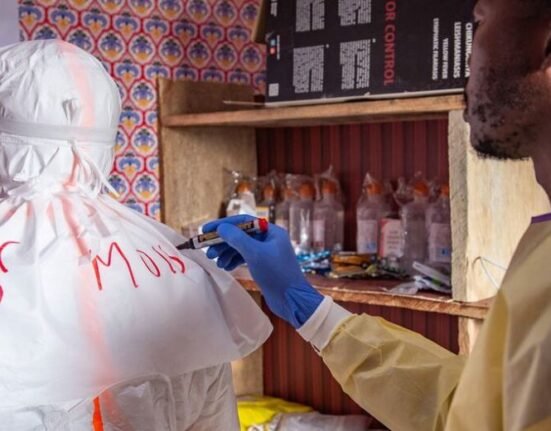
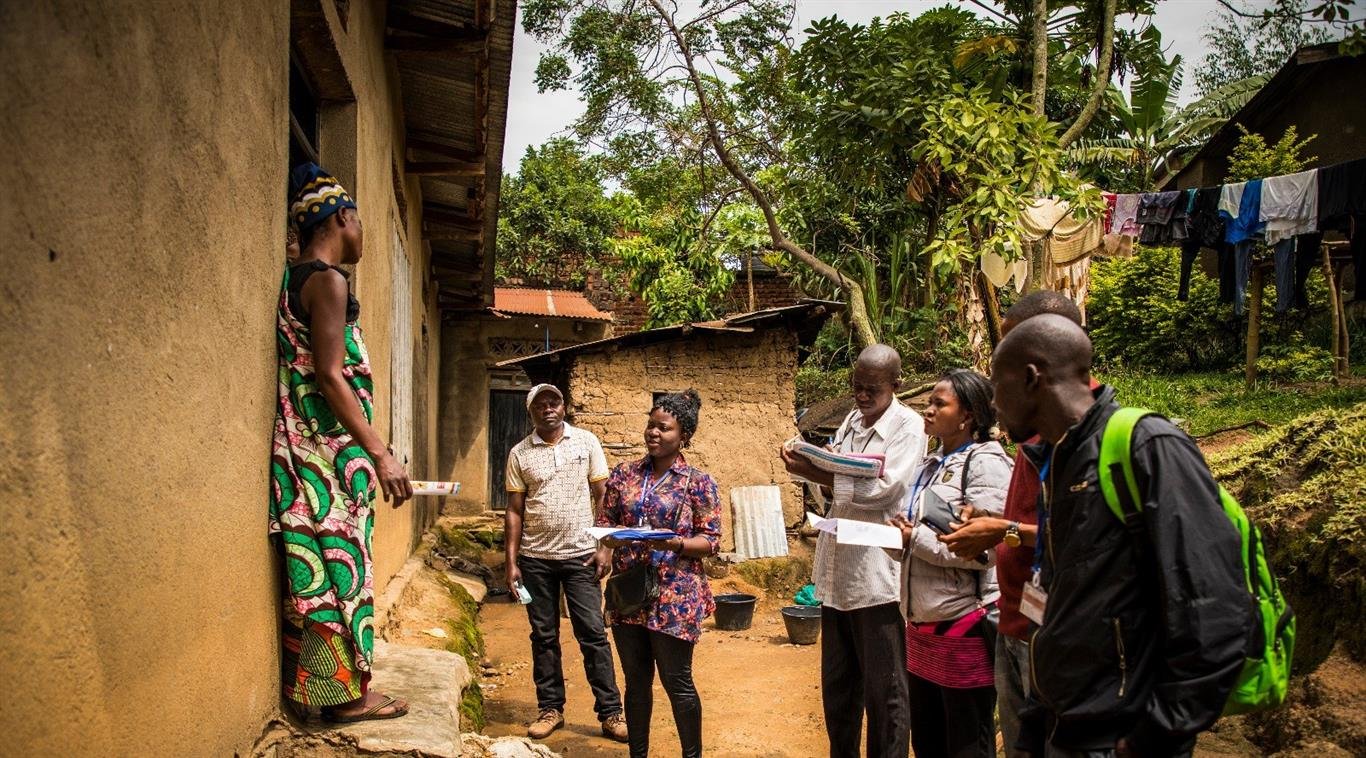
U.S. assistance to the DRC had already fallen from $1.4 billion in FY2024 to $451 million in FY2025, a two-thirds cut that left the country short-staffed when the Bundibugyo Ebola strain emerged in May. The World Health Organization (WHO) declared a public health emergency as the outbreak grew into the fastest-growing Ebola outbreak in the virus’s history. Under that pressure, OMB shifted about $547 million back toward “Global Health Activities” in June, restoring roughly $700 million for Ebola and health security work. That still leaves about $1.35 billion parked under the closeout label, with a September 30 deadline to spend it or lose it.
PIH analysts lay out several ways the $1.35 billion could go: OMB could attempt a last-minute “pocket rescission” to let the funds expire before Congress can act; quietly let the money lapse without a formal fight; spend a limited share on genuine closeout costs while leaving most unspent; transfer the balance to another agency at the last moment; or push it to the State Department’s Global Health Security and Diplomacy bureau on a compressed year-end timeline. Congress has already made its funding decision, PIH argues — what remains is whether OMB will let that decision stand.
Congress is pushing back on OMB’s reach
The health funding fight isn’t an isolated case. On August 2, the Senate released a Continuing Resolution that would fund the government through mid-December — and, on its last page, blocks OMB from finalising separate proposed changes to federal grant regulations, according to the STM Association, which represents scientific and scholarly publishers. Those proposed changes had drawn objections from universities, research organisations and publishers over concerns about independent research review. Senate Appropriations Committee Chair Susan Collins and Vice Chair Patty Murray both flagged the provision, signalling the concern crosses party lines. Notably, the Senate language only pauses the OMB proposal through the length of the funding bill; it does not withdraw it.