HQ Team
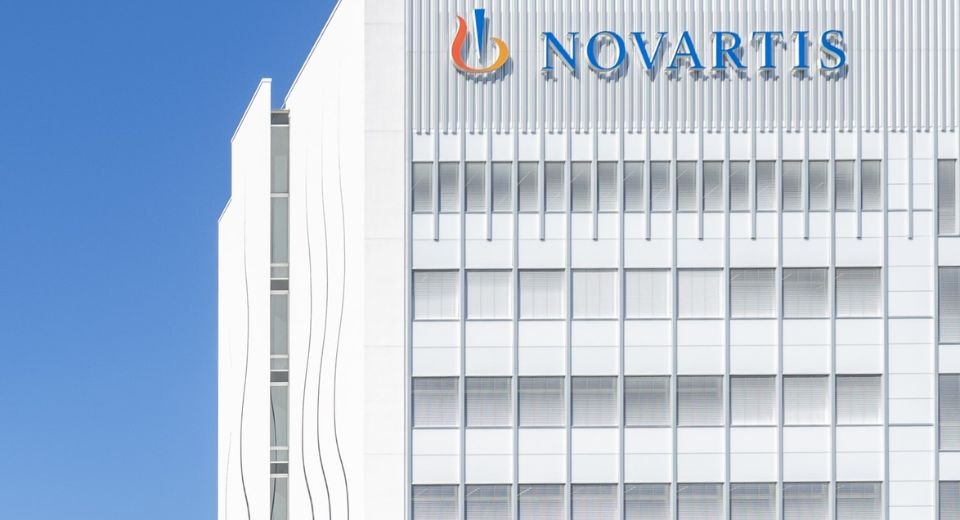
September 9, 2026: Novartis AG’s experimental drug to treat a neuromuscular disease failed to meet its target, the company announced.
The final-stage trials of the drug del-desiran “did not demonstrate statistically significant improvement versus placebo on the primary endpoint of video hand opening time (vHOT), a novel measure of hand myotonia,” according to a September 8 company statement.
Video hand opening time is a test that measures how long it takes someone to open their hand after it has become stiff. The researchers measured how fast patients could open their hands after stiffness.
Hand myotonia is a condition where muscles take longer than normal to relax after contracting, which can make movements like opening your hand difficult.
On September 4, the company’s experimental drug, Pelacarsen, to reduce cardiovascular events, such as cardiovascular death, non-fatal myocardial infarction, non-fatal stroke, and urgent coronary revascularisation requiring hospitalisation, compared to a dummy drug, failed to meet the required targets.
Myotonic dystrophy type 1
“Not demonstrating a statistically significant improvement” indicates that the difference was not large or reliable enough to conclude that the drug itself caused the improvement rather than random chance.
Novartis is still evaluating the full dataset and will engage with health authorities to determine the most appropriate development path for del-desiran, it stated.
Myotonic dystrophy type 1 (DM1) is a progressive, multisystem, heterogeneous neuromuscular disease. The genetic disease gradually affects the muscles and several other parts of the body. It is caused by an abnormal increase in a specific DNA sequence—called “CTG repeats”—within the DMPK gene.
The condition can get worse over time. It can affect other body systems, and different people can experience the disease differently; both symptoms and severity can vary. It affects both the muscles and the nervous system that controls them.
Normally, the DNA sequence CTG repeats a certain number of times. In people with DM1, this sequence is repeated many more times than normal. The DMPK gene is where this abnormal CTG expansion occurs.
Impaired hand function
People living with DM1 may experience a range of internal and systemic symptoms, including myotonia, muscle weakness and impaired hand function, which can affect everyday activities, independence, and quality of life.
“Despite decades of research, there are still no approved treatment options for DM1, and patients and caregivers continue to face a significant daily burden,” said Shreeram Aradhye, President, Development and Chief Medical Officer, Novartis.
“Developing therapies for a complex disease like DM1 remains challenging, and setbacks are part of scientific progress.”
Del-desiran is one of three antibody-oligonucleotide conjugate therapies added to the Novartis neuromuscular pipeline through the acquisition of Avidity Biosciences.
Hand grip strength
Novartis is advancing delpacibart zotadirsen (del-zota) in patients with Duchenne muscular dystrophy with mutations amenable to exon 44 skipping (DMD44).
The company filed del-zota for accelerated approval and was granted priority review designation by the US Food and Drug Administration. Novartis is planning to meet with the FDA on next steps for delpacibart braxlosiran (del-brax) in facioscapulohumeral muscular dystrophy (FSHD) based on recent positive mid-stage trial biomarker data.
The global end-stage trial was conducted over 54 weeks in about 150 people living with DM1. The primary endpoint was vHOT, and key secondary endpoints include muscle strength as measured by hand grip strength and quantitative muscle testing total score, activities of daily living as measured by DM1-Activ, and mobility and physical function as measured by the 10-meter walk/run test.