HQ Team
October 10, 2026: The US Food and Drug Administration has approved Asahi Kasei Therapeutics, Inc’s oral drug to treat mucocutaneous lesions caused by herpes simplex virus (HSV) for adults with weakened immune systems.
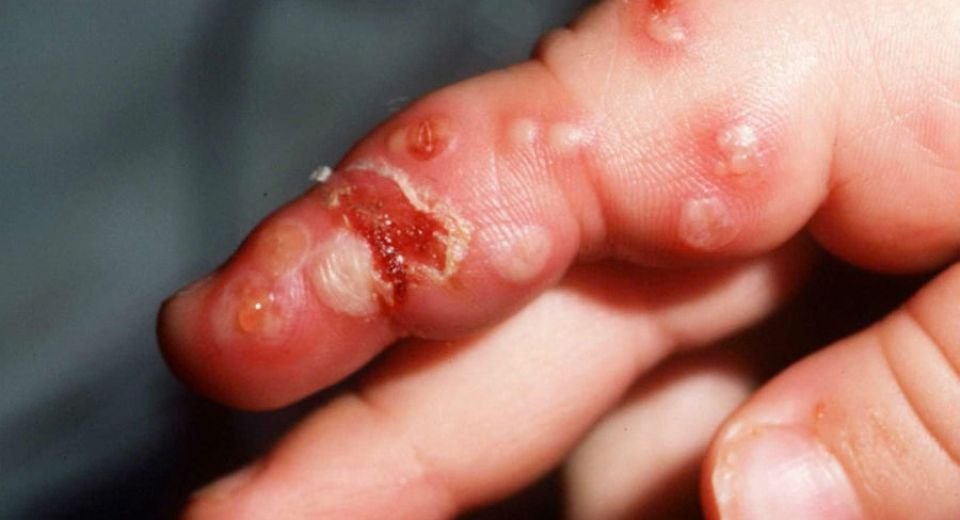
The efficacy of drug Hovilpri was evaluated in a end-stage trial in immunocompromised participants with mucocutaneous HSV infection who did not respond to treatment with acyclovir, valacyclovir, or famciclovir, according to an FDA statement. Mucocutaneous lesioans are abnormal sores, blisters, or rashes that appear on both the skin and the moist inner linings of the body such as lips, nostrils, eyes and genitals.
Participants in the trial received Hovilpri or the trial investigator’s choice of available treatments for up to 28 days until all mucocutaneous lesions healed, which was extended up to 42 days if lesions were improving but not completely healed after 28 days.
A total of 101 immunocompromised adults were randomly assigned and treated with Hovilpri or the investigator’s choice of available treatments. Participants had a wide range of immunosuppressive clinical conditions, including one or more of hematologic malignancy or disorder, hematopoietic stem-cell transplantation, HIV infection, autoimmune or inflammatory diseases, non-hematologic malignancies, or solid-organ transplantation.
Lesions heal
“The primary efficacy endpoint was the proportion of participants with all lesions healed during the treatment period up to 28 days. By 28 days, all lesions were healed in 63% of patients receiving Hovilpri, compared with 34% of patients receiving one of the other medications.”
Herpes simplex virus 1 and 2 (HSV-1 and HSV-2) are common viral infections that typically cause painful mucocutaneous lesions, or fluid-filled blisters that break open and crust over the infectious site.
Once a person has HSV, the infection cannot be cured. The virus can be dormant or can reactivate, leading people to have outbreaks or release contagious viral particles without being symptomatic.
There are several FDA-approved antiviral treatments that can help control or improve outbreaks. Patients with compromised immune systems can have more frequent and serious HSV outbreaks that might not respond well to available treatments because their virus is resistant to the medications or they cannot tolerate side effects.
Limited treatment options
The most common adverse reaction was headache. “Today’s approval delivers the first FDA-approved treatment for refractory mucocutaneous HSV lesions with a novel mechanism of action in nearly 30 years and marks an important advancement for immunocompromised adults,” said Stacy Wheeler, Chief Executive Officer of Asahi Kasei Therapeutics in the US and Europe. “Hovilpri offers a new oral treatment option for adult patients with a persistent, difficult-to-treat disease.”
Refractory HSV infection can result in prolonged and difficult-to-treat mucocutaneous disease (with or without documented resistance).
“Refractory HSV can be a serious clinical challenge for immunocompromised adults, a population with limited treatment options,” said Carl Kraus, Chief Medical Officer at Asahi Kasei Therapeutics.
“The approval of Hovilpri reflects years of clinical research in refractory HSV and reinforces our commitment to advancing scientifically differentiated medicines for patients whose conditions remain difficult to treat.”
64% of global population
The disease represents a substantial global public health burden with an estimated 3.8 billion people under the age of 50 (64% of the global population) being infected with HSV-1 in 2020. About 520 million people aged 15 to 49 were living with HSV-2.
HSV-1 is mainly transmitted via contact with the virus in sores, saliva or skin surfaces in or around the mouth. Less commonly, HSV-1 can be transmitted to the genital area through oral-genital contact to cause genital herpes, according to the World Health Organization.
It can be transmitted from oral or skin surfaces that appear normal; however, the greatest risk of transmission is when there are active sores. People who already have HSV-1 are not at risk of reinfection with HSV-1, but they are still at risk of acquiring HSV-2.
HSV-2 is mainly transmitted during sex through contact with genital or anal surfaces, skin, sores or fluids of someone infected with the virus. HSV-2 can be transmitted even if the skin looks normal and is often transmitted in the absence of symptoms. In rare circumstances, herpes (HSV-1 and HSV-2) can be transmitted from mother to child during delivery, causing neonatal herpes.