Aparna S.
March 3, 2026: Love may be the sweetest feeling two human beings can share. From time immemorial, romantic love has inspired countless poems, novels, and films—and for good reason. It’s both magical and profound — a smile that lingers all day, a message that sends your heart racing, an absence that aches like a physical wound.
“Ever felt a tingling sensation when you fall for someone? That’s just common sense, leaving your body,” an anonymous quote, offering solace to those reeling from breakups or loneliness.
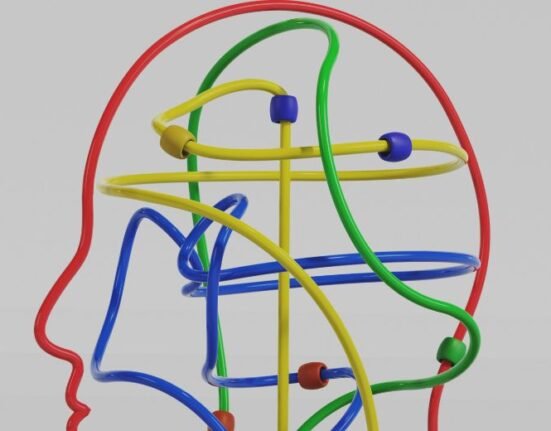
While common sense may not always prevail, falling in love is universal. This makes it fascinating to explore how the brain behaves in the throes of romance — the so-called “brain in love.” Does love truly override reason? Neuroscience offers compelling insights.
Where it all begins
Love starts in the brain, but it’s far more than mere biology (or blind lust). What drives that head-over-heels abandon, where logic seems to vanish? Science has some answers.
At the outset, your brain goes into high alert, spotting a new object of fascination—and liking it intensely. Dopamine, the brain’s reward chemical tied to pleasure and motivation, floods the system.
This is why new love feels exhilarating, energising, and downright addictive. Paired with it is norepinephrine, which heightens alertness and that signature “heart-racing” restlessness.
Serotonin levels often dip, fueling the mild obsession of early romance: replaying conversations, stalking social media, seeing reminders of them everywhere.
Functional MRI studies reveal even more. When people in love gaze at a photo of their beloved, specific brain regions light up— the same ones linked to addictive behaviours. No wonder we sing about “getting addicted to you.” This intensity explains why heartbreak stings so sharply.
Rejection isn’t just disappointment; it’s withdrawal. The brain, deprived of its dopamine source, grieves profoundly.
Oxytocin: The bonding hormone
As relationships deepen, the fireworks fade into a steady glow of emotional security and trust. Here, oxytocin—the “love hormone”—takes centre stage. Released during physical closeness, intimacy, and vulnerability, it fosters that warm, profound connection: the sense that someone is truly safe, that they’ve become “home.”
Psychologically, love isn’t merely an emotion; it’s a filter that reshapes our world. In its grip, the brain dials down critical judgment, allowing us to idealise our partner, overlook flaws, and see them as uniquely irreplaceable.
This explains why lovers often ignore red flags or suppress a partner’s less savoury traits—leading, unfortunately, to unrealistic expectations, toxic dynamics, and even failed marriages.
How we express and receive love—our “love language”— has its roots in attachment styles, personality traits, and emotional needs. Misaligned expectations between partners can brew conflicts if not addressed thoughtfully. Two people might envision wildly different futures, turning passion into friction.
Humans are evolutionarily primed for bonds. Loneliness triggers brain networks similar to physical pain, making love feel like emotional refuge more than fleeting romance. Yet love is also profoundly social, influenced by family, community, class, and cultural norms. Who we love, how we show it, and what relationships society endorses—all are moulded by these forces.
Media amplifies this. Movies, novels, and songs romanticise grand gestures, dramatic yearning, jealousy as passion, and sacrifice as devotion. Too often, this glamorises toxicity and abuse, mistaking them for “true love.”
The Delulu Age
The digital era’s double-edged sword? Endless options. Dating apps and social media deliver dopamine hits from constant swiping and comparisons, but our brains crave depth over novelty.
Don’t chase the initial neurochemical rush—pause, invest time, and seek the oxytocin-fueled security that blooms later. In an age of “delulu” (delusional) fantasies curated by algorithms, mindful choice is key.
In essence, love is a beautiful delusion—a symphony of neurochemistry, psychology, and culture. We idealise, we bend reality just enough to believe this person is extraordinary, destined for us alone. The Chilean poet-diplomat, who won the 1971 Nobel Prize in Literature, Pablo Neruda’s “I love you without knowing how,” offers timeless ways to express affection.
If we viewed love too rationally, too dispassionately, we’d miss its magic.
In a world of cold logic, love reminds us to feel, to connect, to dream.
(Dr Aparna S is a consultant psychiatrist and an Assistant Professor at the Believers Church Medical College Hospital, Tiruvalla, Kerala. Views expressed are her own and not of an organisation or company.)