HQ Team
March 18, 2026: About 4.9 million children died before their fifth birthday in 2024, including 2.3 million newborns, according to a UN report.
Severe acute malnutrition, lack of health professionals to assist with preterm delivery, and infectious diseases, along with funding cuts, were the reasons behind these deaths, according to the Inter-Agency Group for Child Mortality Estimation (UN IGME), Report 2025.
For the first time, the report estimated deaths caused by severe acute malnutrition. More than 100,000 children aged between one and 59 months, or five per cent, died from it in 2024.
The toll is far greater when indirect effects are considered, as malnutrition weakens children’s immunity and increases their risk of dying from common childhood diseases, according to the report.
Under-five deaths globally have fallen by more than half since 2000. However, since 2015, the pace of reduction in child mortality has slowed by more than 60%.
Newborn deaths
Mortality data also frequently fail to capture severe acute malnutrition as an underlying cause of death, suggesting the burden is likely substantially underestimated. Some of the countries with the highest numbers of direct deaths include Pakistan, Somalia, and Sudan.
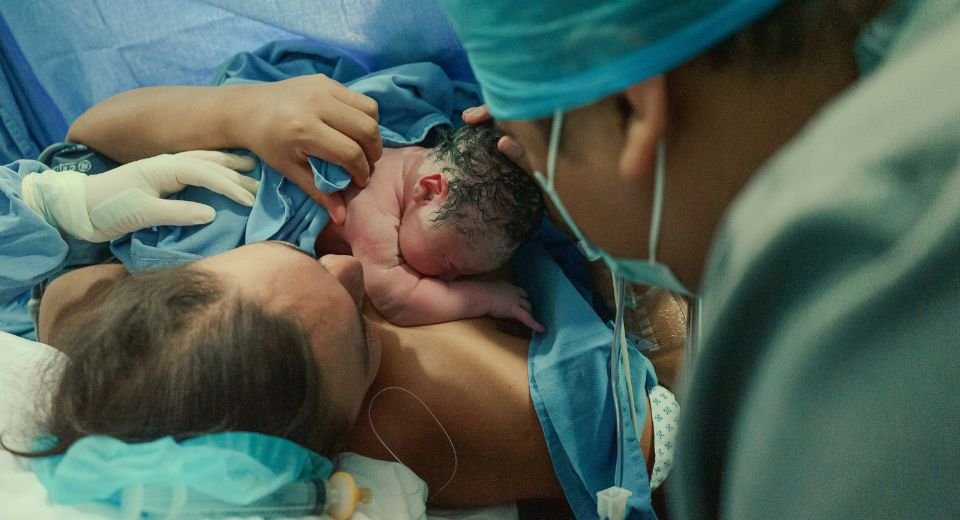
Newborn deaths account for nearly half of all under-five deaths, reflecting slower progress in preventing deaths around the time of birth. Leading causes among newborns were complications from preterm birth (36%) and complications during labour and delivery (21%). Infections, including neonatal sepsis and congenital anomalies, were also important causes.
“No child should die from diseases that we know how to prevent. But we see worrying signs that progress in child survival is slowing — and at a time where we’re seeing further global budget cuts,” said UNICEF Executive Director Catherine Russell.
Infectious diseases such as malaria, diarrhoea, and pneumonia were major killers beyond the first month. Malaria remained the single largest killer in this age group (17%), with most deaths occurring in endemic areas of sub-Saharan Africa.
After steep declines between 2000 and 2015, progress towards reducing malaria mortality slowed in recent years.
Deaths remain concentrated in a handful of endemic countries – such as Chad, the Democratic Republic of the Congo, Niger, and Nigeria – where conflict, climate shocks, invasive mosquitoes, drug resistance, and other biological threats continue to affect access to prevention and treatment.
Infectious diseases
“The world has made remarkable progress in saving children’s lives, but many still die from preventable causes,” said Dr Tedros Adhanom Ghebreyesus, WHO Director-General.
“Children living amid conflict and crisis are nearly three times more likely to die before their fifth birthday. We must protect essential health and nutrition services and reach the most vulnerable families so every child has the chance not only to survive, but to thrive.”
Child deaths remain heavily concentrated in a small number of regions. In 2024, sub-Saharan Africa accounted for 58% of all under-five deaths. In the region, the leading infectious diseases were responsible for 54% of all under-five deaths.
In Europe and North America, this proportion drops to 9% and in Australia and New Zealand, drops further to 6%. These stark disparities reflect unequal access to proven, life-saving interventions.
In Southern Asia, which accounted for 25% of all under-five deaths, mortality was driven largely by complications in the first month of life – including preterm delivery, birth asphyxia/ trauma, congenital anomalies, and neonatal infections.
These largely preventable conditions underscore the urgent need to invest in quality antenatal care, skilled health-care personnel at birth, care of small and sick newborns, and essential newborn services.
Funding shortage
The report also finds that an estimated 2.1 million children, adolescents and youth aged 5–24 died in 2024. Infectious diseases and injuries remain leading causes among younger children, while risks shift in adolescence: self-harm is the leading cause of death among girls aged between 15 and 19, and road traffic injuries among boys.
Shifts in the global development financing landscape are placing critical maternal, newborn, and child health programmes under growing pressure. Surveys, health information systems, and the core functions that underpin effective care all need sustained funding not only to protect the progress made, but to accelerate it.
Proven, low-cost interventions – such as vaccines, treatment for severe acute malnutrition, and skilled care at birth – deliver some of the highest returns in global health, improving productivity, strengthening economies and reducing future public spending. Every dollar invested in child survival can generate up to twenty dollars in social and economic benefits.
The report called to make child survival a political and financial priority, focusing on those at highest risk and strengthening accountability for existing commitments to reduce maternal, newborn, and child deaths, including transparent data collection, tracking, and reporting.
It urged governments and private donors to invest in primary health care systems to prevent, diagnose and treat the leading causes of death in children, including through community health workers and skilled care at birth.
‘Progress slowing’
“These findings are a collective call to speed up implementation of the proven, scalable solutions we know are within reach,” said Monique Vledder, World Bank Group Director, Health.
Under-Secretary-General for Economic and Social Affairs Li Junhua said: “The latest estimates from the United Nations Inter-agency Group for Child Mortality Estimation are a stark reminder that progress on child survival is slowing and too many countries are off track to meet the Sustainable Development Goals.”
“We know how to prevent these deaths. What is needed now is renewed political commitment, sustained investment in primary health care, and stronger data systems to ensure no child is left behind.”