HQ Team
October 6, 2026: New York Governor Kathy Hochul declared a state of emergency in the most populous city in the United States over a measles outbreak.
New York is the first state to impose such measures since the outbreak began in 2025. The order is in force until November 4.
As of October 3, there have been seven confirmed cases in New York City and 101 in New York State outside of NYC (Rest of State), for 108 total cases this year, amid a global and domestic increase in measles cases.
Since July 15, 92 cases have been reported among under-immunised, rural communities in 18 counties. Since then, local health departments have administered more than 1,000 doses of the measles, mumps, and rubella (MMR) vaccine across rural areas of New York State.
Vaccinated, tested
The Governor’s Executive Order will help the state to respond more swiftly to the outbreak. It allows healthcare professionals to take additional steps that will help get more New Yorkers vaccinated and tested, if needed.
“After reviewing the latest data on measles cases in New York State, I am declaring a State Disaster Emergency to strengthen our ongoing efforts to confront this disease,” Governor Hochul said. “No one should get seriously ill or die from a vaccine-preventable disease.”
“That is why I have taken steps to increase the number of health professionals who can vaccinate and test. These emergency measures will protect New Yorkers and support our community partners as they work tirelessly to address the spread of this disease,” she said.
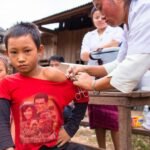
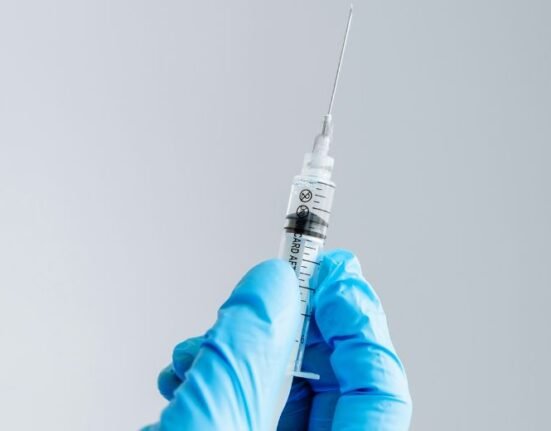
The order specifically extends the pool of eligible individuals who can administer measles vaccines, including paramedics, advanced emergency medical service providers, pharmacists and midwives. In addition to physicians, it also allows nurses to order testing.
‘Decline in childhood vaccinations’
“The concerning rise in measles cases is due to a decrease in childhood vaccines driven by misinformation and is causing a public health emergency,” said State Senator Gustavo Rivera.
“I support Governor Hochul’s efforts to expand vaccine access and join her in calling on all New Yorkers to get their vaccinations to prevent the spread of diseases like measles and the flu, which pose a greater risk to vulnerable populations,” he said.
In neighbouring Pennsylvania, measles cases have surpassed 1,000, according to the Department of Health. The state continues to be at the center of the resurgence of the virus.
Until October, 3,887 cases have been reported nationally, compared to 2,289 cases for the full year in 2025.
Viral infection
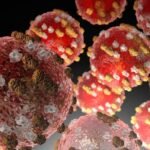
Measles is a highly contagious, serious respiratory disease that causes a rash and fever. In some cases, measles can reduce the immune system’s ability to fight other infections like pneumonia.
This disease is caused by a virus that is spread by coughing or sneezing into the air. Individuals can catch the disease by breathing in the virus or, less commonly, by touching a contaminated surface, then touching the eyes, nose, or mouth.
One vaccine dose provides 93% protection while two doses provide 97% protection. Babies as young as 6 months should get one dose of the MMR vaccine if they are travelling abroad or to an area where measles is prevalent.
After travel, these babies should then continue to get their next two MMR vaccines on schedule for a total of three vaccines. Anyone who is not protected can get measles while travelling and can easily spread it to others when they return home.
Most people born before 1957 are considered immune because they were likely exposed to the virus.
Those who received the vaccine between 1963 and 1967 may have received a vaccine that wasn’t as effective and should talk to their health care provider about getting revaccinated.