HQ Team
August 19, 2026: An epidemic caused by the Bundibugyo virus will continue to spread in the central African country of Congo at an “unprecedented speed” until every transmission chain is found and broken, Dr Tedros Adhanom Ghebreyesus, the Director-General of the World Health Organization, said.
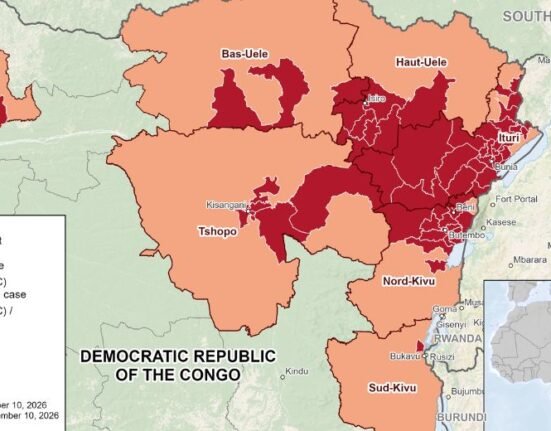
Almost 5,000 people have now been infected, and more than 2,300 have died, across six provinces and 55 health zones, he said during a second meeting of the International Health Regulations convened for the Bundibugyo virus disease.
“Three months ago, I determined that the epidemic of Bundibugyo virus disease in the DRC constituted a public health emergency of international concern.
“Since then, the epidemic has spread rapidly, and the risk of further national and international spread remains high. This is now the second-largest Ebola outbreak ever recorded, and it is moving faster than any previous Ebola outbreak,” he said, according to a WHO statement.
‘Far from under control’
“That’s why I call it unprecedented speed. It is being fueled by insecurity and displacement, and intense population movement along roads, rivers and mining routes. We must be frank: the epidemic is far from being under control. It had a big head start, and we are still playing catch-up.”
Bundibugyo virus disease (BVD) is a rare and potentially deadly type of viral hemorrhagic fever. BVD is caused by Bundibugyo virus, a type of Ebola virus. BVD has caused two previous outbreaks, one in Uganda in 2007 and one in DRC in 2012.
It is spread by contact with the blood or bodily fluids of a person who is infected with or has died from BVD. It is also spread by contact with contaminated objects (such as clothing, bedding, needles, and medical equipment), or contact with animals, such as bats and nonhuman primates, that are infected with BVD.
Semen, breast milk, and vaginal and pregnancy-related fluids also are known to transmit Ebola.
Symptoms include fever, headache, muscle pain, weakness, diarrhoea, vomiting, stomach pain, and unexplained bleeding or bruising (a late stage of illness). There are no vaccines or specific treatments approved to prevent or treat BVD. Early supportive care improves the chance of survival.
Success in Uganda
“What concerns me most is where people are dying: at home, in their communities, outside treatment centres, and outside known contact lists.
Every death like that points to a chain of transmission we have not yet found. Until every chain is found and broken, the epidemic will continue.
The risk does not stop at the Democratic Republic of Congo (DRC)’s borders,” Tedros said.
Uganda has already stopped transmission after the initial spillover, and last month, a traveller carried the virus to France, Tedros said.
“Borders may slow a response; they do not stop a virus.” Ebola is transmitted by infected wild animals, primarily African fruit bats, which serve as the natural host reservoir. The virus jumps to humans through a “spillover event” via contact with infected wildlife like chimpanzees, gorillas, or forest antelopes. It was named after the Ebola River in the Democratic Republic of Congo.
‘Stronger cross-border coordination’
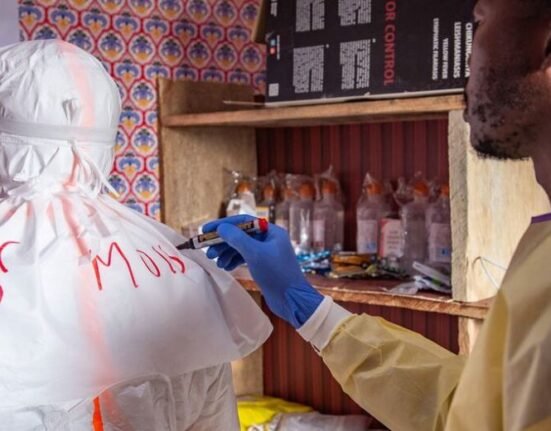
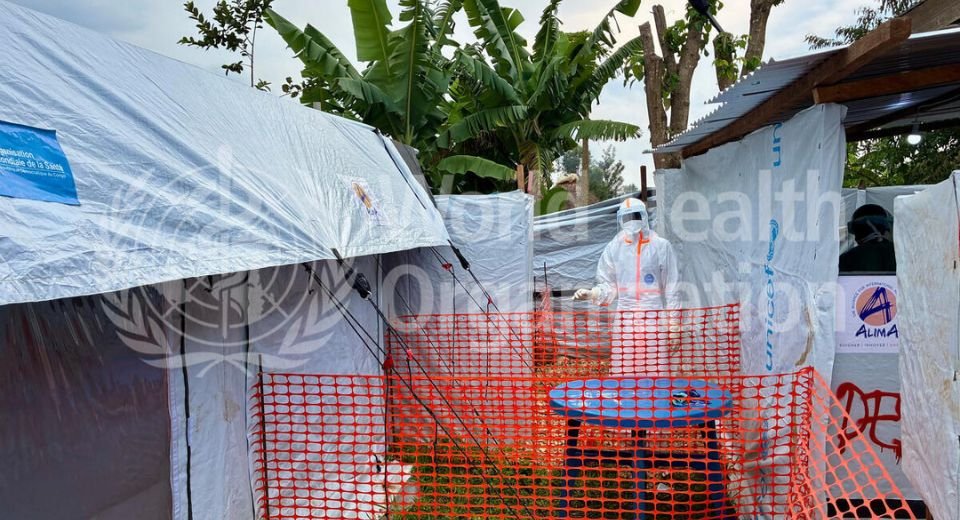
The WHO is strengthening community-based surveillance; expanding treatment capacity; supporting safe and dignified burials; working with communities to build trust and ownership; and advancing clinical trials for vaccines and therapeutics.
Two vaccines designed specifically against Bundibugyo virus have entered human trials. A separate vaccine has shown cross-protection in animal studies, and “we are moving it toward a phase three trial,” the chief of the global health agency said.
“But the response still needs faster data sharing, enhanced surveillance, sustained financing, access and security, and stronger cross-border coordination.
“We must also remember that Ebola is only one threat the people of DRC face, including maternal mortality, diarrheal disease, pneumonia, malaria, cholera and more. Even as we fight to end this epidemic, we cannot allow the response to disrupt access to other essential health services.”