Jay Shankar
July 21, 2026: Global obesity medicine sales hit $66 billion in 2025 and are on track to reach $92 billion this year, according to IQVIA’s Forecas, and that is just the opening act. IQVIA’s data puts the market’s list-price value at $105 billion to $200 billion by 2027 and beyond. What began five years ago as a two-way fight between Novo Nordisk and Eli Lilly is now pulling in nearly every major drugmaker, plus a wave of biotech challengers hoping to be acquired before the window closes.
From two rivals to a crowded field
Novo Nordisk (maker of Wegovy and Ozempic) and Eli Lilly (maker of Zepbound and Mounjaro) built the GLP-1 category — a class of drugs named for the gut hormone glucagon-like peptide-1, which they mimic to suppress appetite and slow digestion. But the two companies’ fortunes are now diverging sharply. Lilly forecast 2026 sales of $80 billion to $83 billion, while Novo warned its own sales and profit could fall 5% to 13% this year as U.S. prices drop and patent protection lapses in China, Brazil and Canada. Novo’s next-generation shot CagriSema recently failed to beat Lilly’s Zepbound in a head-to-head trial, and Lilly’s oral pill orforglipron later outperformed Novo’s older pill Rybelsus on both weight loss and blood sugar contro, a run of setbacks that has cost Novo its early lead.
That opening is why the race no longer belongs to just two companies. Pfizer, AstraZeneca, Amgen, Zealand Pharma and clinical-stage firms such as Structure Therapeutics and Viking Therapeutics are now all running obesity programmes of their own, betting that a nearly billion-strong global patient pool leaves room for more than one winner.
Pills are the new battleground
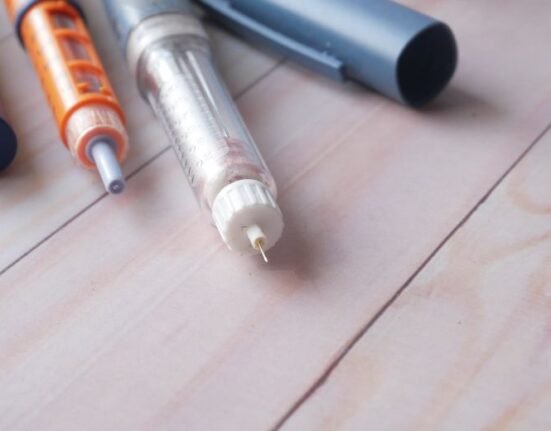
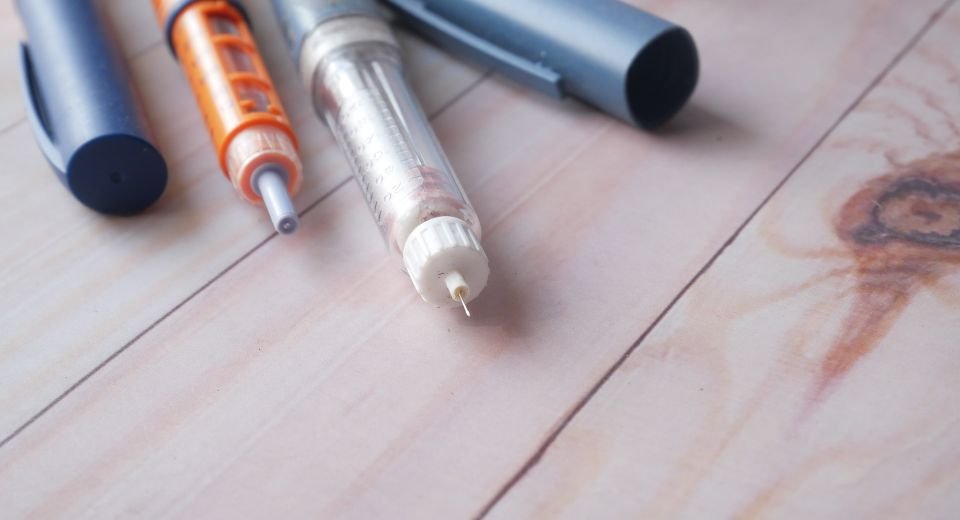
The next fight is over the needle itself or getting rid of it. Novo Nordisk’s oral version of Wegovy, a once-daily pill using the same active ingredient as its injection, is already reaching patients, while Lilly’s own GLP-1 pill is expected to win U.S. approval within months. Novo said prescriptions for its Wegovy pill topped 3 million within about five months of launch, evidence that oral dosing is pulling in patients who were reluctant to inject themselves weekly.
Early data suggests the two pills aren’t equivalent. In Lilly’s trial, the highest dose of its pill produced 12.4% average body weight loss at 72 weeks, though no study has directly compared the two companies’ oral drugs. Cost may matter as much as chemistry: unlike injections, which often run above $1,000 a month, the direct-to-consumer cash price of oral drugs is expected to be significantly lower, though it remains unclear what insurers and pharmacy benefit managers, middlemen who negotiate drug prices for insurers, will ultimately pay.. A second wave of oral entrants, including AstraZeneca’s and Structure Therapeutics’ pills, is not expected to reach the market before 2029, following successful late-stage trials.
Dealmaking accelerates
With billions in projected revenue at stake, acquisitions have become the fastest way in. Pfizer’s clearest example: its roughly $10 billion purchase of obesity biotech Metsera came after a bidding war with Novo Nordisk, which had made a competing unsolicited offer that Pfizer challenged as violating antitrust and fiduciary rules. The deal handed Pfizera pipeline of experimental injections and pills with combination potential, alongside an in-house oral drug targeting the GIP receptor to cut side effects.
More deals look likely. Analysts point to Viking Therapeutics, whose dual GLP-1/GIP drug VK2735 is being tested in both injectable and oral form, with its VANQUISH-2 Phase 3 trial completing enrolment in early 2026, as a prime target — a prediction market prices the odds of Viking being acquired before 2027 at roughly one in four. Industry analysts expect obesity therapeutics to remain a top-performing category through 2026, driven by oral formulations and combination drugs, as rivals race to match Novo’s early lead..
A market still in its early innings
The numbers explain the urgency. GLP-1 therapies generated roughly $132 billion in global sales in 2025, up 33.5% from the prior year, with obesity therapeutics alone reaching about $42 billion to become pharma’s fourth-largest drug category. Morgan Stanley has repeatedly revised its long-term forecast upward, now projecting the obesity drug market could reach $150 billion by 2035, up from an earlier $105 billion estimate. The upgrade reflects growing evidence that these drugs also help treat coronary heart disease, stroke, hypertension, kidney disease and sleep apnea, with early research exploring Alzheimer’s, neuropsychiatric conditions and cancer.. Chris Shibutani, senior biopharmaceuticals analyst at Goldman Sachs Research, believes: “The obesity market is still in its early stages.”
That expansion into new indications, rather than deeper penetration of the weight-loss market alone, is what most analysts see as the industry’s next growth engine alongside the estimated 1.13 billion adults expected to be living with obesity worldwide by 2030.Novo Nordisk CEO Mike Doustdar , added, “If it is true that semaglutide slows down a lot of those conditions as a molecule, then maybe whether we like it or not, we are already in a bit of a longevity game.”
For now, the market remains concentrated in the hands of Novo and Lilly, which together still account for the overwhelming majority of obesity drug sales. Whether that concentration holds, or gives way to a genuinely multiplayer field of pills, combination drugs and newly indicated therapies, is the question the rest of the industry is racing to answer.