HQ Team
July 23, 2026: Eli Lilly, the pharma company behind weight-loss blockbusters Mounjaro and Zepbound recently agreed to buy AtaiBeckley, a psychedelic medicine company, for up to $3.8 billion. This has ignited immense interest in the industry as to why a conventional pill company is spending so much money on a company that manufactures drugs that make you trip.
Here’s the deal math break-down: Eli Lilly has agreed to pay $2.8 billion upfront in cash, or $6.75 per share. Up to another $1 billion in contingent value rights (CVRs) if certain drugs hit their milestones. That is s a 40% premium over AtaiBeckley’s average trading price
AtaiBeckley’s stock jumped 34% on the news. For context, AtaiBeckley had fallen 64% since its 2021 IPO. Then Lilly came knocking.
So… why psychedelics?
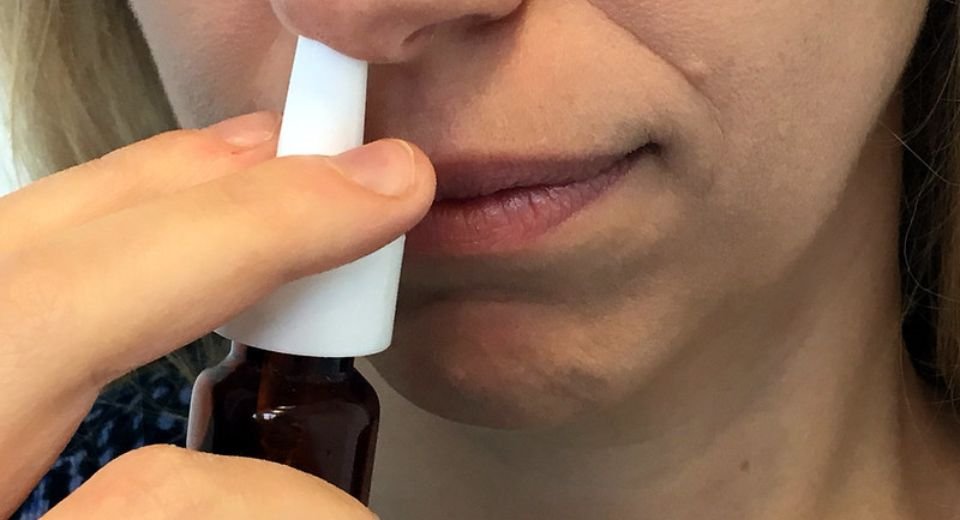
The reason for this is not very far-fetched. Eli-Lilly is actually interested in BPL-003—a nasal spray version of a synthetic psychedelic compound called 5-MeO-DMT. (DMT is the active ingredient in ayahuasca, but this is a lab-made, purified version delivered through the nose.)
What makes BPL-003 interesting is that in a Phase 2b study, 66.7% of patients with treatment-resistant depression showed an antidepressant response by day two. And those benefits lasted for months after a single in-clinic session.
Compare that to traditional antidepressants like SSRIs, which take weeks to kick in, if they work at all. For the millions of people who don’t respond to conventional treatments, this could be game-changing.
Major depressive disorder is one of the most common psychiatric disorders, with an estimated 21 million adults in the US living with the disease. It is a mental illness that causes a persistent feeling of sadness and loss of interest. It can affect how you feel, think, and behave.
Lilly’s Prozak
Lilly isn’t new to psychiatry. They transformed depression treatment with Prozac back in the 1980s. Now they’re betting on the new psychedelic spray that works on new neural connections.
Carole Ho, president of Lilly Neuroscience, put it bluntly: “Treatment-resistant depression persists even after multiple treatments have failed. Millions of people are still searching for relief and desperately need a therapy that works.”
But there’s also a commercial angle. Lilly’s GLP-1 drugs (Mounjaro, Zepbound) have made nearly $1.1 trillion in market value. That cash needs to go somewhere, and diversifying beyond weight-loss and diabetes is smart business.
Timing matters here. Under the Trump administration, regulators have gotten friendlier. An April 2026 executive order directed the FDA to accelerate review of psychedelic candidates with Breakthrough Therapy Designation. The FDA published final clinical guidance on July 14, 2026—just two days before the deal was announced
Johnson & Johnson already proved the model with Spravato (a ketamine-derived nasal spray for depression), which generated $468 million in first-quarter sales alone. AbbVie also paid up to $1.2 billion for a psychedelic candidate last year.
Lilly is paying $2.8 billion upfront for a drug that won’t see Phase 3 data until early 2029. That’s a long wait. But Jefferies analysts estimate BPL-003 could generate $1 billion to $2 billion in annual sales if it succeeds, and RBC Capital Markets projects the entire psychedelics industry could hit $12 billion by 2034.
This isn’t about one drug. It’s about placing a bet on an entirely new way of treating mental illness—one that works fast, works differently, and works for people who’ve run out of options.