HQ Team
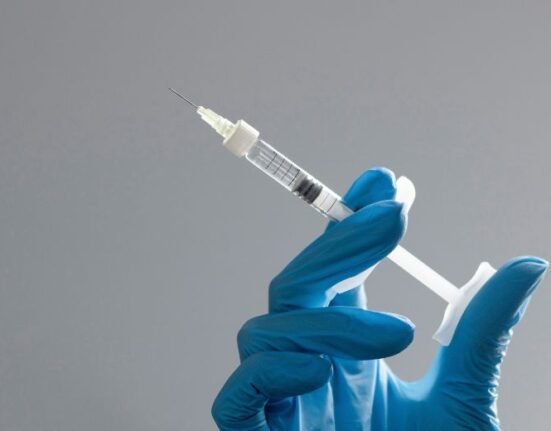
June 15, 2026: Adults with obesity who started GLP-1 weight-loss drugs like Ozempic and Wegovy at a US hospital in Illinois walked 560 fewer steps daily and exercised six minutes less per day within months of beginning treatment, a study presented Saturday at ENDO, Endocrine Society’s annual meeting in Chicago found.
The study challenges a widely held assumption that losing weight on GLP-1 drugs like semaglutide (Ozempic, Wegovy) or tirzepatide (Mounjaro, Zepbound) would naturally lead people to move more.
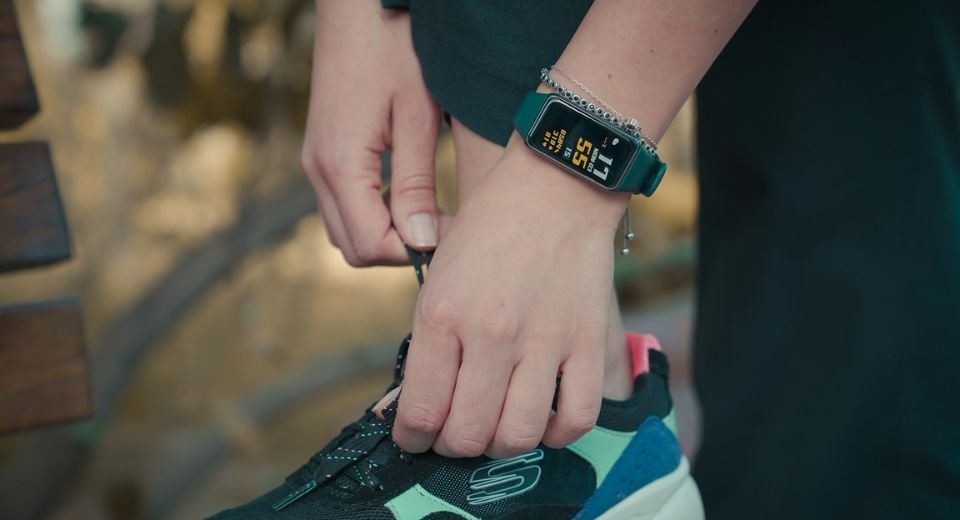
The research found the opposite. Among 753 adults with obesity tracked using Fitbit data from the NIH’s All of Us Research Program, physical activity measurably declined after starting a GLP-1 medication. Most were women (78.6%), and the average age was 52.7 years. Factors such as age, heart failure, and a previous stroke did not alter the findings.
Before starting GLP-1 treatment, participants averaged 5,047 steps per day and 28 minutes of moderate-to-vigorous physical activity (MVPA). After starting treatment, daily steps fell to 4,487 — a drop of 560 steps — and MVPA declined to 22 minutes per day. The steepest declines were seen in men and in people who also reported musculoskeletal pain.
Loss of muscle mass
GLP-1 drugs are known to reduce not only fat but also lean muscle mass. Without sufficient physical activity, this muscle loss can compound over time, undermining the very health gains the drugs are meant to deliver. Lead author Dr Sajana Maharjan of HSHS St John’s Hospital in Springfield, Illinois, said the findings make exercise a non-negotiable part of GLP-1 treatment and not an optional add-on.
“While many assume that weight loss leads naturally to increased physical activity, our study suggests otherwise,” Dr Maharjan said in a press release. “The findings reinforce that exercise cannot be optional for people taking these medications.”
Recently, The Lancet, carried warnings by an international team that there is not enough research on how muscles are affected by GLP-1 receptor agonists. The concern surrounding muscle loss is multifaceted. Muscle mass is crucial for maintaining a healthy metabolic rate; when muscle is lost, the resting metabolic rate decreases, potentially making it harder to maintain weight loss over time.
Limitations
The study is preliminary and as not yet been published in a peer-reviewed journal, and its findings should be interpreted with appropriate caution. It was an observational, retrospective cohort study, meaning causation cannot be established. The research used Fitbit data from the NIH All of Us programme, which provides objective wearable measurements but covers a self-selected population.
Researchers say clinicians prescribing GLP-1 drugs must now treat structured physical activity as part of the therapeutic protocol itself. Targeted interventions encouraging exercise alongside medication are needed — particularly for male patients and those with joint or musculoskeletal conditions.
“The goal is 30 minutes of exercise per day, five days a week; even walking provides significant benefits. This can be broken into smaller segments if 30 minutes at once is not feasible. Ideally, a combination of aerobic exercise and resistance training is best for preserving muscle,” said Dr Mir Ali, MD, medical director of MemorialCare Surgical Weight Loss Center at Orange Coast Medical Center in Fountain Valley, CA, Ali wasn’t involved in the study..
“While the majority of weight loss stems from dietary changes, physical activity remains essential for muscle preservation and overall health,” he added.