HQ Team
June 15, 2026: Researchers at Scripps Research in California have developed an experimental vaccine that reduced fentanyl levels in the brains of mice by roughly 70%, preventing fatal respiratory depression. The vaccine also targets a wide range of synthetic opioid variants of fentanyl.
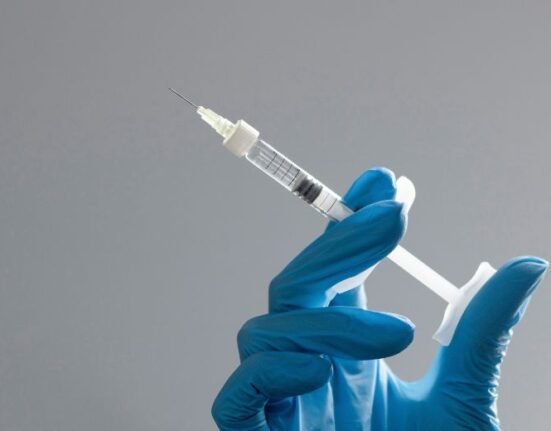
The experimental vaccine is designed to stop fentanyl from reaching the brain in the first place. The findings, published in the Journal of Medicinal Chemistry, show that the vaccine trains the immune system to produce antibodies that intercept fentanyl molecules in the bloodstream before they can cross the blood-brain barrier. Fentanyl and its synthetic analogues kill more Americans each year than car crashes and gun violence combined. Existing overdose interventions such as naloxone (Narcan) work by reversing an overdose after it occurs, but only if administered quickly enough. The new approach from Scripps Research turns that paradigm on its head.
Circulatory system
Unlike conventional overdose treatments that block opioid receptors inside the brain, this vaccine works in the circulatory system. When vaccinated mice received doses of fentanyl that would normally trigger severe respiratory depression or death in most cases, their breathing remained nearly normal. Measurements confirmed that fentanyl concentration in the brain was reduced by approximately 70% compared to unvaccinated mice.
Critically, the vaccine was designed to recognise not just fentanyl itself but the broader structural family of fentanyl-related synthetic designer drugs. Many of these modified variants are created specifically to increase potency or evade detection and regulation, making them particularly dangerous. The vaccine’s broad recognition capability addresses this moving target.
“What this research shows us is that we don’t have to keep playing catch-up with every new synthetic designer drug that emerges,” said senior author Kim Janda, the Ely R. Callaway Jr Professor of Chemistry at Scripps Research. “By training the immune system to recognise the overall shape of these molecules, rather than one particular scaffold, we can create a more durable defence.”
Similar vaccine research
Previously, researchers at the University of Houston, in Texas, developed a shot that was able to stop the extremely potent drug from entering the brains of rats. By blocking the desired effects of fentanyl, researchers hope they can help prevent some of these deaths. The researchers said in a statement. that the vaccine is able to generate anti-fentanyl antibodies that bind to the consumed fentanyl and prevent it from entering the brain, allowing it to be eliminated out of the body via the kidneys. Thus, the individual will not feel the euphoric effects and can ‘get back on the wagon’ to sobriety,”
Public health potential
Janda of Scripps Research said the vaccine platform could potentially be used to prevent overdoses in people in substance abuse recovery programmes, or others at high risk of fentanyl exposure. Clinical trials in humans are still needed to test safety and efficacy, and the research remains at the preclinical animal study stage. Janda’s group previously developed vaccine candidates against both fentanyl and heroin. However, these vaccines typically require the drug itself, or something similar to train the immune system. This poses problems because the drugs are tightly regulated, and the immune system only learns to recognize the particular drug used, which is limiting.
“The way the fentanyl landscape is evolving, the black-market drug makers are constantly coming up with new versions to skirt regulations and avoid detection in standard screenings,” says Janda. “We need countermeasures that are going to work against all these future variants at once, not just one at a time.”
India relevance
While fentanyl overdose deaths are primarily a North American crisis, India’s role as a source of precursor chemicals used in illicit fentanyl production has drawn increasing attention from international drug enforcement agencies. A preventive vaccine approach could have significant implications for Indian healthcare and addiction medicine as synthetic opioid use rises domestically.
Limitations
The study was conducted entirely in mice. Human physiology and immune response may differ significantly. Clinical trials have not yet begun for this specific Scripps Research vaccine. The research establishes proof of concept, not clinical readiness. Moreover, regulatory approval would be years away even under an accelerated timeline.